Child and Dependent Care Tax Credit: How to Claim It and Save Money on Your Taxes
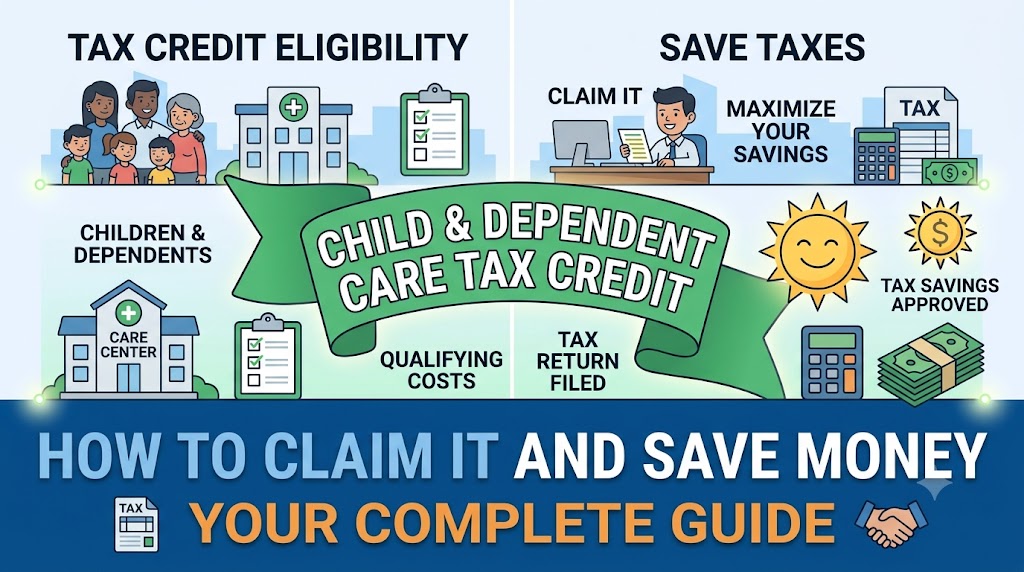
If you've ever paid for daycare, an after-school program, or in-home care for a family member so that you could go to work or search for a job, you may be sitting on a tax break you didn't even realize existed. The Child and Dependent Care Tax Credit is one of the more underused credits on the federal tax return, largely because people assume it only applies to young children. In reality, it can cover a much broader range of caregiving situations than most taxpayers expect. Here's a full breakdown of how the credit works, who qualifies, and how to actually claim it.
What Is the Child and Dependent Care Tax Credit?
At its core, the Child and Dependent Care Tax Credit is designed to offset some of the cost of care you paid for so that you could work or actively look for work. This isn't just about traditional daycare for toddlers. The credit can apply to care for a qualifying child under age 13, as well as care for a spouse or other dependent who is physically or mentally incapable of self-care and lives with you for more than half the year.
The key phrase here is "so that you could work." The IRS structures this credit around the idea that care expenses are a necessary cost of maintaining employment, not just a personal convenience. That means if you paid for care while you or your spouse (if filing jointly) were working, or were actively searching for work, those expenses may count toward the credit.
How Much Can You Claim?
The amount you're eligible to claim depends on how much you actually paid for qualifying care during the tax year, along with a few other factors like your income and the number of dependents you're claiming care expenses for. The credit is calculated as a percentage of your qualifying care expenses, and that percentage can shift depending on your adjusted gross income — generally, taxpayers with lower incomes receive a higher percentage back, while higher earners receive a smaller, though still meaningful, percentage.
There's also a cap on the total expenses you can claim, which differs depending on whether you're claiming expenses for one qualifying individual or two or more. Because these limits and percentages can change from year to year based on tax law updates, it's worth checking the most current figures before you file, rather than relying on what you remember from a previous tax season.
Who Actually Qualifies?
Qualifying for this credit involves a few specific conditions working together:
The care must have been necessary for you to work or look for work. If you or your spouse were not employed or actively job hunting during the period the care was provided, the expenses generally won't qualify.
The dependent must meet specific criteria. This typically means a child under 13 at the time care was provided, or a spouse or other dependent who is physically or mentally unable to care for themselves and who lived with you for more than half the year.
You must have earned income. Both you and your spouse (if married and filing jointly) generally need to have earned income during the year, since the credit is tied to employment-related expenses.
The care provider can't be a dependent or close relative in certain cases. For example, you generally can't claim expenses paid to your own child under age 19 who provided the care, even if they otherwise qualify as a caregiver.
Because eligibility rules involve several moving parts, taxpayers in more complex family or income situations should take extra care to review the specific requirements before assuming they do or don't qualify.
How to Report the Credit on Your Tax Return
Once you've confirmed that you meet the qualifying conditions, claiming the credit involves reporting your care-related expenses and the care provider's information directly on your federal tax return. This typically requires identifying details about who provided the care, such as their name, address, and taxpayer identification number, along with the total amount you paid for qualifying services throughout the year.
Because this credit involves specific forms and calculations tied to your income level, it's a good idea to keep organized records throughout the year — receipts, provider invoices, and payment records — rather than trying to piece everything together at tax time. Good documentation not only makes filing easier but also protects you in the event your return is ever questioned.
👉 Find out how the child and dependent care credit works.
Why This Credit Is Worth the Extra Effort
Many taxpayers skip credits like this simply because they assume the paperwork isn't worth the payoff, or because they don't realize they qualify in the first place. But for families juggling the cost of childcare, or for anyone caring for a dependent spouse or relative while maintaining a job, this credit can translate into real, meaningful savings on your tax bill. Given how expensive care services have become in many parts of the country, taking the time to understand and claim this credit is often well worth the effort.
Final Thoughts
The Child and Dependent Care Tax Credit exists to recognize a simple reality: caring for a child or a dependent family member costs money, and that cost often stands directly between a taxpayer and their ability to work. If you paid for qualifying care during the year, it's worth reviewing your eligibility carefully and gathering the necessary documentation before you file. A little extra effort at tax time could mean a meaningful credit back in your pocket.
#ChildAndDependentCareCredit #TaxCreditForParents #DependentCareExpenses #ChildcareTaxBreak #IRSChildCareCredit #WorkingParentsTaxCredit #TaxSeasonTips #FamilyTaxCredit #DependentCareCredit #TaxFilingHelp