How to Get Emergency Food Assistance Right Now
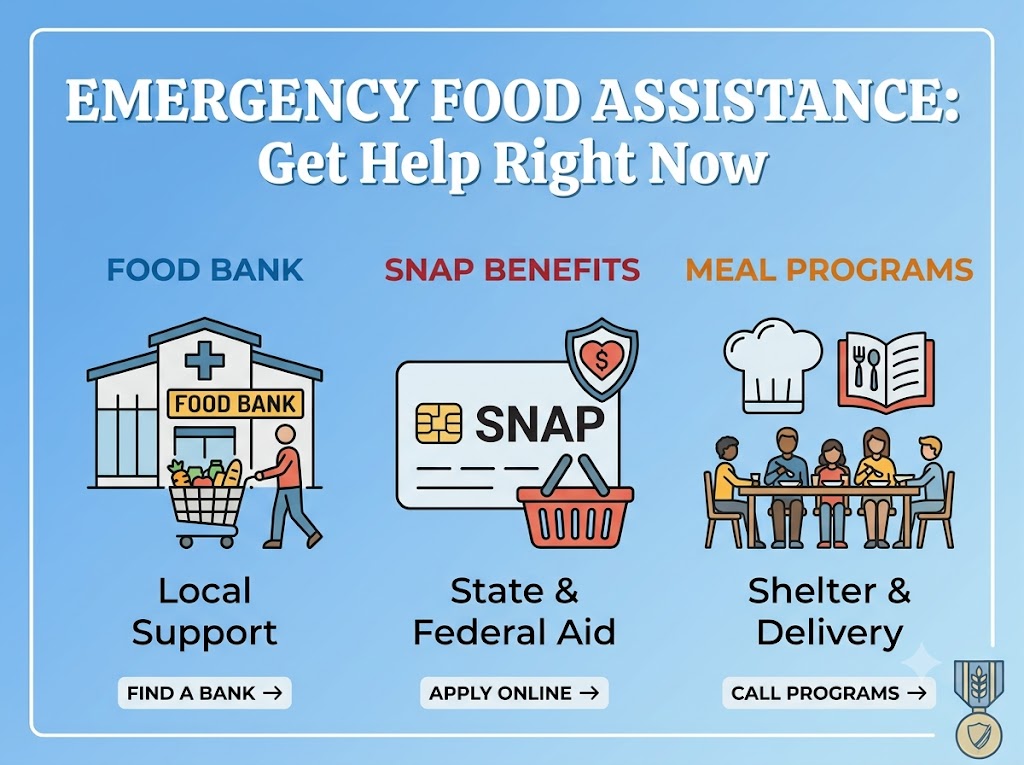
If you or someone in your family is hungry today, help is available — and in many cases, it's closer than you think. Whether you've lost a job, are facing an unexpected expense, or are dealing with a longer-term financial hardship, there are government programs and community organizations across the country specifically set up to provide immediate food assistance. You don't need to wait weeks for help to arrive; several of these resources can connect you with food within hours.
Below is a breakdown of where to turn for emergency food help, depending on your situation.
Call the National Hunger Hotline
One of the fastest ways to find food assistance is by calling the National Hunger Hotline, run by the U.S. Department of Agriculture (USDA). Trained staff can connect you with food resources in your area, including local food banks, meal programs, and government benefit programs. The hotline is available in both English and Spanish:
English: 1-866-3-HUNGRY (1-866-348-6479)
Spanish: 1-877-8-HAMBRE (1-877-842-6273)
The line operates Monday through Friday, 8:00 AM to 8:00 PM Eastern Time. You can also visit the National Hunger Hotline page for more details before calling.
Find a Nearby Food Pantry
If you'd rather search for help online, the U.S. Department of Housing and Urban Development (HUD) offers a simple tool that lets you enter your zip code to find nearby food assistance. The HUD Find Shelter tool was originally built to help people locate emergency shelters, but it also lists food pantries and meal programs in your immediate area, making it a useful first stop if you need help today.
Disaster-Related Food Assistance
If you're dealing with food insecurity because of a recent natural disaster — such as a hurricane, flood, or wildfire — you may qualify for emergency food benefits through the Disaster Supplemental Nutrition Assistance Program (D-SNAP). This program provides temporary food assistance to households in areas that have received a presidential disaster declaration, even if you don't normally qualify for regular SNAP benefits. You can find current information about D-SNAP eligibility and how to apply through USA.gov's disaster food help page.
The Emergency Food Assistance Program (TEFAP)
The Emergency Food Assistance Program (TEFAP) is a federal program that supplies free food to low-income individuals and families through local food banks and pantries. Because TEFAP is administered at the state level, the application process and specific distribution sites vary depending on where you live. Start by reviewing how to apply for TEFAP, then use the state agency contact list to find the office responsible for your area.
Reach Out to Local and Religious Organizations
Beyond government programs, many community and faith-based organizations run their own food pantries, soup kitchens, and meal delivery services — often with fewer eligibility restrictions and shorter wait times than federal programs. Churches, synagogues, mosques, community centers, and local nonprofits frequently offer free groceries or hot meals to anyone in need, regardless of income documentation. If you're not sure where to start, a quick phone call to a local church or community center can often point you toward the nearest food resource.
Call 211 for Local Resources
If you're unsure which program applies to your situation, 211 is one of the most useful numbers to know. It's a free, confidential referral service available across most of the United States that connects callers with local agencies and community organizations offering food, housing, and other essential assistance. You can visit 211.org to search for resources online or dial 211 directly from your phone to speak with someone immediately.
Final Thoughts
Food insecurity can happen to anyone, and reaching out for help is not something to feel ashamed of — these programs exist precisely because temporary hardship is common, and support systems are in place to bridge the gap. If you need food today, start with the National Hunger Hotline or 211, since both can quickly direct you to the closest available resource. And if your situation is ongoing rather than a one-time emergency, look into longer-term support programs like SNAP or TEFAP to help stabilize your household's food access going forward.
If you're experiencing a broader financial or personal crisis alongside food insecurity, consider also reaching out to a local social services office, as many can connect you with additional resources like utility assistance, housing support, and counseling services.
#EmergencyFoodAssistance #FoodBankNearMe #NationalHungerHotline #SNAPBenefits #TEFAP #FoodPantry #Call211 #DisasterFoodAssistance #FoodInsecurityHelp #FindFoodAssistance