School Meals and Food Programs for Children: What Parents Should Know
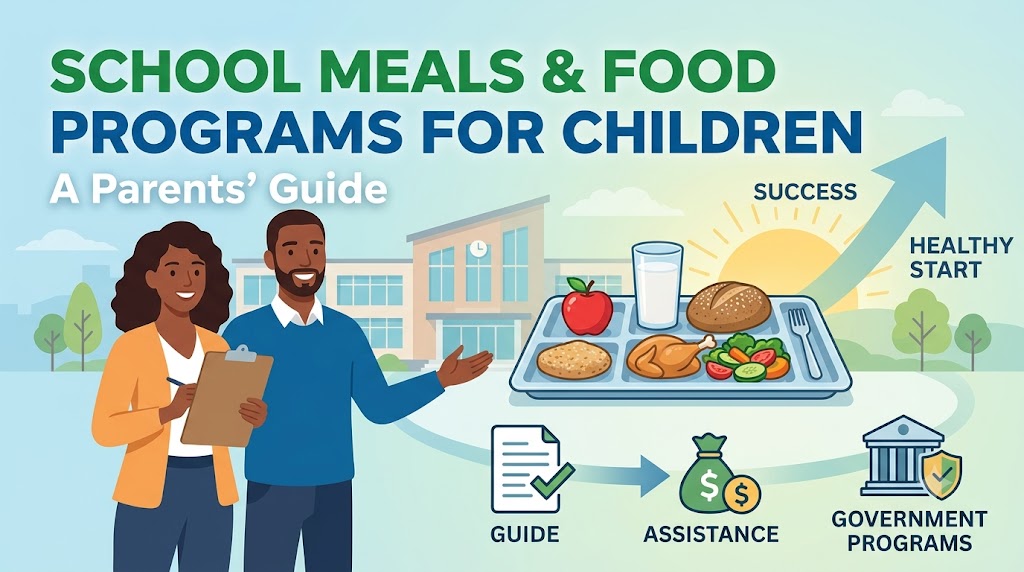
Making sure kids have consistent access to healthy meals shouldn't depend entirely on a family's income — and that's exactly why a network of federal food programs exists to fill the gap. From free breakfast and lunch during the school year to grocery money over summer break, there are more options available to families than many parents realize. If you've never looked into these programs, or you're not sure whether your child qualifies, here's a full rundown.
What Meal Programs Are Available During the School Year?
During the regular school year, children can access free or reduced-price meals through a few different federal programs, each covering a slightly different need:
National School Lunch Program (NSLP) — Provides low-cost or free lunches to students at participating schools nationwide.
School Breakfast Program (SBP) — Works alongside the lunch program to make sure kids start the day with a meal, which has a well-documented connection to better focus and classroom performance.
Special Milk Program — Specifically provides milk to students attending schools that don't otherwise participate in a federal school meal program, filling a gap for schools that fall outside the standard lunch or breakfast programs.
Together, these three programs cover most of a child's school-day nutrition needs, whether their school participates in full meal service or just offers milk.
Is Your Child Eligible?
Eligibility for free or reduced-price meals isn't limited to just one path — there are several ways a child can qualify:
Household income falls within federal guidelines
Your family already receives SNAP (food stamps), TANF (welfare assistance), WIC, or benefits through the Food Distribution Program on Indian Reservations (FDPIR)
Your child is a foster child under the legal responsibility of a foster care agency or court
Your child is enrolled in Head Start
It's worth noting that if your family already qualifies for one of those other assistance programs, your child may be automatically eligible for school meals without needing extensive additional paperwork. That said, exact eligibility requirements can vary slightly by state, so it's always a good idea to check directly with your child's school for the specifics that apply to you.
How to Apply
Applying is more straightforward than a lot of parents expect. Simply ask your child's school for a meal program application — most schools distribute these automatically at the start of the school year, but you're not limited to that window. If your household's financial situation changes at any point during the year — a job loss, a new baby, a change in income — you can apply or update your application at any time. You don't have to wait for the next school year to start.
Meal Programs and Benefits During Summer Break
One of the biggest gaps in food access for kids happens over summer break, when school meal programs pause but hunger doesn't. Fortunately, there are two major programs designed to fill exactly that gap.
Summer Food Service Program (SUN Meals)
This program offers one or more free meals to kids during summer break, and it's about as accessible as a program can get:
All children and teens 18 or younger qualify — there's no income test
There's no application process at all — kids can simply show up to a participating site
You can search for a summer meals site near you to find a location that's currently serving meals in your area
Search for a summer meals site near you.
In most states, eligible families can also receive SUN Bucks — a benefit worth $120 per child specifically intended for buying groceries over the summer. If your household already receives other benefits like SNAP or TANF, you may be automatically enrolled without needing to apply separately. It's worth checking how to get SUN Bucks in your state, since the enrollment process can differ depending on where you live.
Getting Help or Filing a Complaint
If you run into an issue with a school meal program — whether it's a question about eligibility, a billing problem, or something more serious — the first step is always to contact your child's local school or school district directly. Most issues get resolved at that level. If a problem isn't resolved locally, you can escalate it to your county or state board of education for further assistance.
The Bottom Line
Between school-year programs like NSLP, SBP, and the Special Milk Program, and summer options like SUN Meals and SUN Bucks, there's meaningful support available for families at almost every point in the year. If you've never applied because you assumed your income was too high, or you didn't realize summer programs required no application at all, it's worth taking another look. A quick conversation with your child's school — or a search for a nearby summer meal site — could mean one less thing to worry about at the dinner table.
#schoolmeals #freeschoollunch #SUNMeals #SUNBucks #childnutrition #summerfoodprogram #SNAPbenefits #familyassistance #schoolbreakfast #foodsecurity