COBRA Insurance Explained: How to Keep Your Health Coverage After a Job Change
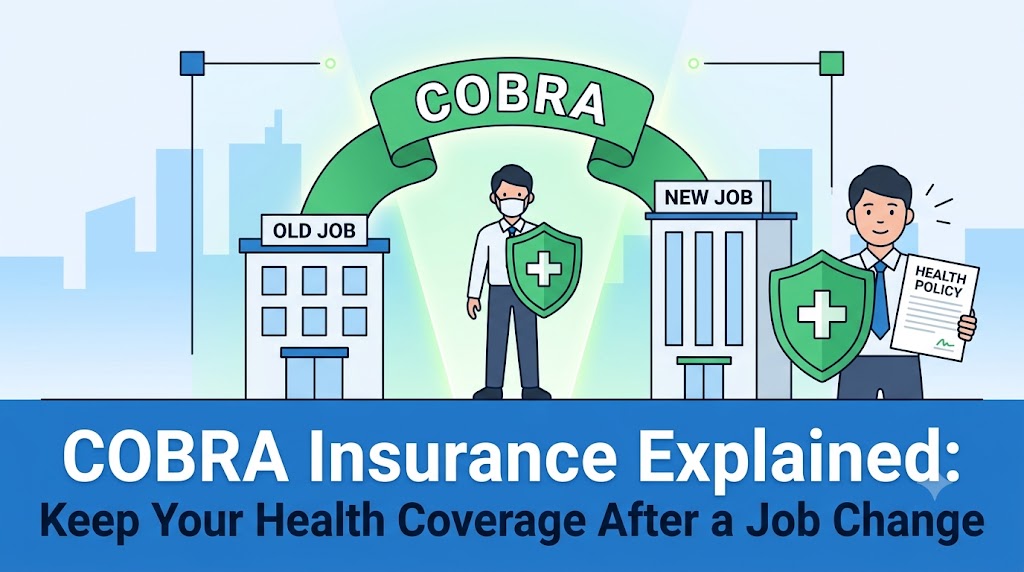
Losing access to your employer-sponsored health insurance can feel like one more gut punch on top of an already stressful life event — whether that's a layoff, a divorce, or the loss of a loved one. Fortunately, federal law provides a safety net that allows many people to keep the exact same health plan they had before, at least for a while. That safety net is called COBRA, and understanding how it works can save you from a dangerous gap in coverage right when you need it most.
What Is COBRA Insurance?
COBRA stands for the Consolidated Omnibus Budget Reconciliation Act, a federal law passed in 1985. In plain terms, COBRA gives qualified workers and their families the right to continue their employer's group health insurance plan for a limited period of time after certain life changes cause them to lose eligibility. Rather than being dropped from coverage and forced to scramble for a new plan, COBRA lets you stay on the same plan, with the same doctors and the same benefits, just under a different payment arrangement.
It's important to note that COBRA generally applies to private-sector employers with 20 or more employees. Smaller businesses may not be required to offer it, though some states have "mini-COBRA" laws that extend similar protections to employees of smaller companies.
What Events Qualify You for COBRA?
COBRA coverage isn't triggered automatically — it kicks in only after specific "qualifying events" cause a loss of health coverage. These include:
- Termination of employment (for reasons other than gross misconduct) or a reduction in work hours that makes you ineligible for the group plan
- Divorce or legal separation from an employee who is covered under the plan
- Death of the covered employee
- The covered employee becoming eligible for Medicare
- A dependent child losing eligibility for coverage under the parent's plan, often due to aging out
Each of these events opens the door to COBRA continuation coverage, but the length of that coverage depends on which event applies to you.
Who Can Receive COBRA Benefits?
COBRA isn't limited to the employee alone. The following individuals are generally considered "qualified beneficiaries" and may be eligible to elect continuation coverage:
- The employee who was covered under the group health plan
- The employee's current spouse
- Former spouses, in the case of divorce or legal separation
- Dependent children who were covered under the plan
How Long Does COBRA Coverage Last?
The duration of COBRA benefits depends entirely on the type of qualifying event that triggered your eligibility. In many cases involving job termination or a reduction in hours, coverage can last up to 18 months. Other qualifying events, such as divorce, death of the covered employee, or a dependent aging out of coverage, can extend continuation coverage for up to 36 months. It's worth confirming the exact timeline with your plan administrator, since some circumstances allow for extensions under specific conditions.
Are You Eligible for COBRA?
To qualify for COBRA continuation coverage, three basic conditions must be met:
- Your group health plan must be subject to COBRA rules.
- A qualifying event, as described above, must have occurred.
- You must be classified as a qualified beneficiary in connection with that event.
If all three boxes are checked, you have the right to elect COBRA coverage, though the choice of whether to do so is entirely up to you.
How Do You Actually Get COBRA Coverage?
Once a qualifying event occurs, your employer or the health plan is responsible for notifying the plan administrator, who will then send you an official election notice. From the date you receive that notice, you generally have 60 days to decide whether to elect COBRA coverage. This decision window is important — miss it, and you may lose your right to continuation coverage altogether.
If you do elect COBRA, keep in mind that you're typically responsible for paying the full premium yourself, which can include the portion your employer previously covered, plus a small administrative fee. In some cases, though, an employer may choose to subsidize part or all of the premium, so it's worth asking directly.
Questions to Ask Your Plan Administrator
Because COBRA rules can vary based on your specific plan and circumstances, it's a good idea to reach out to your employer's health insurance plan administrator with a few key questions:
- Do I currently have COBRA coverage available to me?
- When exactly will my COBRA coverage begin?
- How long will this coverage last given my specific qualifying event?
Getting clear answers to these questions early can help you avoid any lapse in coverage and make an informed decision about whether COBRA is the right choice compared to other options, such as marketplace insurance plans.
Final Thoughts
Navigating a loss of health coverage during an already difficult transition — a job change, a divorce, or the death of a family member — is never easy. COBRA exists to make sure that transition doesn't also mean losing access to the healthcare you and your family rely on. Understanding your rights, the qualifying events, and the strict deadlines involved can make all the difference in maintaining uninterrupted coverage when you need it most.
👉 Learn more information about COBRA benefits on DOL.gov
#COBRAInsurance #HealthInsuranceCoverage #COBRABenefits #EmployeeBenefits #HealthCoverageAfterJobLoss #QualifyingEvent #GroupHealthPlan #InsuranceContinuation #COBRAEligibility #HealthInsuranceRights