Job Training and Employment Programs for People with Disabilities: A Complete Guide to Finding Work
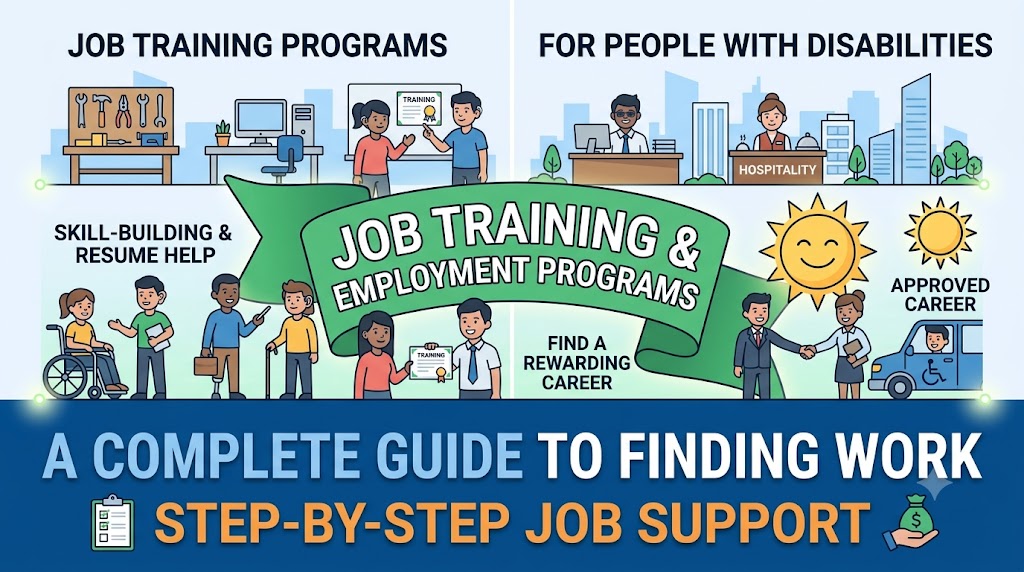
Looking for a job is challenging enough on its own, but if you're living with a disability, the process can come with an extra layer of questions — where do you even start, who can help you build the right skills, and how do you find employers who are actually ready to hire and accommodate you? The good news is that there's a robust network of programs, agencies, and resources specifically designed to help people with disabilities find meaningful, sustainable employment. Whether you're just starting your job search or looking to switch careers, this guide walks through the key resources available to you.
Organizations That Help with Job Skills and Job Searches
Before you even start applying for jobs, it helps to build a foundation of skills and knowledge about the job search process itself. Several organizations specialize in exactly this kind of support:
CareerOneStop.org's Workers with Disabilities section is a great starting point. This resource, backed by the U.S. Department of Labor, offers tools and guidance tailored specifically to job seekers with disabilities, covering everything from resume building to interview preparation.
State vocational rehabilitation agencies are another cornerstone resource. Every state operates its own vocational rehabilitation agency, and these agencies exist specifically to help people with disabilities gain the skills, training, and support needed to enter or return to the workforce. Because programs and services can vary by state, it's worth reaching out to your specific state agency to understand exactly what's available to you.
Your local Center for Independent Living (CIL) is also worth exploring. These community-based organizations are run by and for people with disabilities, and many offer employment-related services alongside broader independent living support.
Finally, the Campaign for Disability Employment's "What Can You Do?" resource page for job seekers offers a curated collection of tools, tips, and success stories aimed at helping people with disabilities navigate the employment landscape with confidence.
The Ticket to Work Program
If you're between the ages of 18 and 64 and currently receive Social Security disability benefits, the Ticket to Work program deserves your attention. This free program is designed specifically to help people who want to work while still receiving disability benefits. Through Ticket to Work, participants can access job search support, gain real work experience, and learn new skills — all without immediately jeopardizing the disability benefits they currently rely on.
This is a particularly important feature for many people: the fear of losing benefits often discourages disability recipients from even attempting to re-enter the workforce. Ticket to Work is structured to ease that transition, allowing you to test the waters of employment while maintaining a safety net. For a deeper understanding of how the program works, the Social Security Administration's publication "Working While Disabled: How We Can Help" lays out the details clearly, starting on the very first page.
Where to Find Job Listings for People with Disabilities
Once you've built up your skills and understand your benefit options, the next step is actually finding open positions. A few resources stand out for connecting job seekers with disabilities directly to employers:
AbilityOne.gov focuses specifically on helping individuals who are blind or have significant disabilities find employment opportunities. Job openings listed through this platform are with nonprofit agencies located across the country, many of which have extensive experience supporting employees with disabilities.
USAJOBS, the official job board for federal government positions, offers dedicated guidance for people with disabilities interested in federal employment. Beyond the general listings, individual federal agencies also have a Selective Placement Program Coordinator (SPPC) whose job is specifically to help candidates with disabilities navigate the federal hiring process.
If you land a job or are curious about what accommodations might be available to you in the workplace, JAN, the Job Accommodation Network, is an invaluable resource. JAN specializes in answering questions about workplace accommodations, helping both employees and employers understand what reasonable adjustments look like in practice.
Employment Resources for Veterans with Disabilities
Veterans with service-related disabilities have access to an additional layer of support through the Veteran Readiness and Employment (VRE) program. This program is specifically designed to help veterans overcome the unique challenges that can come with a service-connected disability. Through VRE, eligible veterans can:
- Receive job training and career counseling tailored to their situation
- Get direct support finding and keeping employment
- Access resources and guidance for starting their own business
For veterans navigating the transition from military service to civilian employment while managing a disability, VRE can serve as a critical bridge, offering both the training and ongoing support needed to build a lasting career.
Final Thoughts
Finding meaningful employment as a person with a disability doesn't have to mean going it alone. From state vocational rehabilitation agencies and local Centers for Independent Living to specialized programs like Ticket to Work and VRE for veterans, there's a wide network of support built specifically to help you succeed. The key is knowing where to look — and reaching out to these organizations is often the first and most important step toward building the career you want.
#DisabilityEmployment #JobTrainingPrograms #TicketToWork #VocationalRehabilitation #DisabilityJobSearch #WorkplaceAccommodations #VeteranEmployment #JobAccommodationNetwork #CareerOneStop #InclusiveHiring